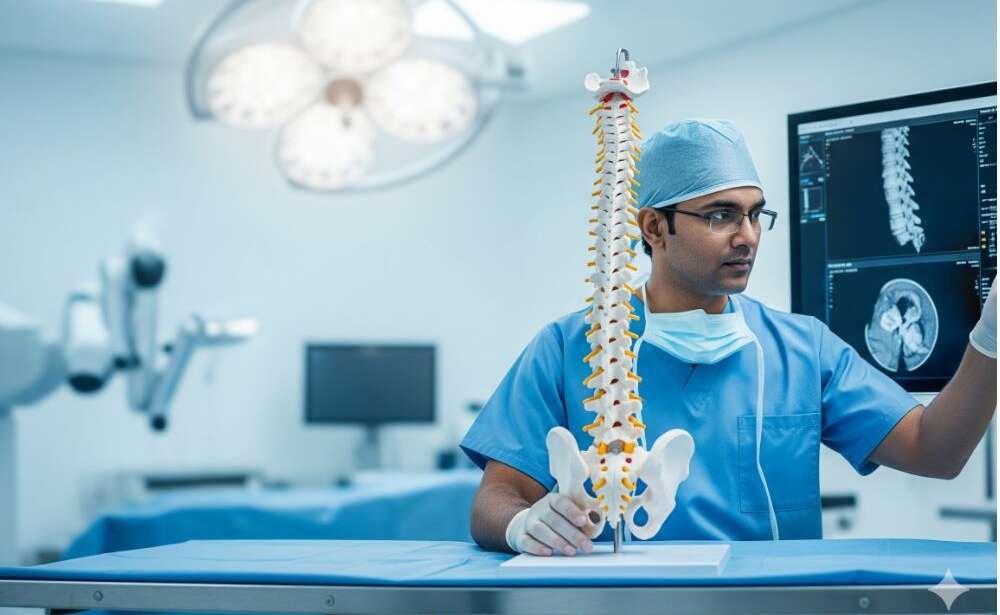
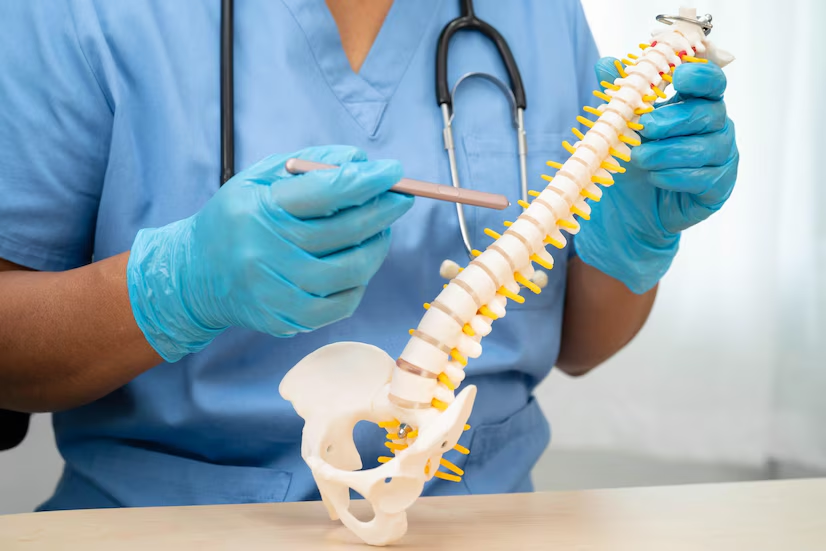
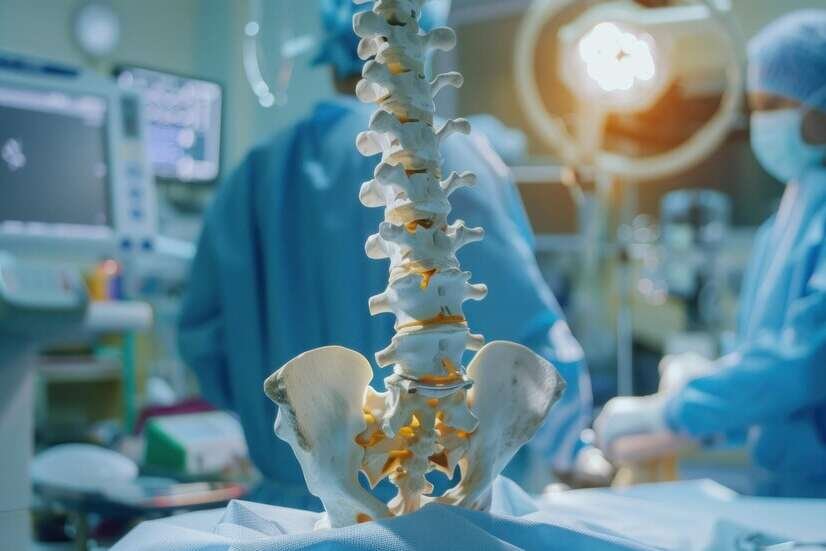
Spine surgery is a medical intervention aimed at relieving spinal disorders, restoring function, and alleviating pain. Indications for spine surgery include herniated discs, spinal stenosis, scoliosis, spinal fractures, tumors, and degenerative conditions. Surgical options vary depending on the condition and may involve discectomy, laminectomy, spinal fusion, artificial disc replacement, or minimally invasive procedures. The goals of spine surgery are to relieve pressure on spinal nerves, stabilize the spine, improve mobility, and reduce pain. Patients should expect thorough pre-operative evaluation, discussion of risks and benefits, and post-operative care involving pain management, physical therapy, and follow-up appointments. Advances in technology, such as navigation systems and robotic-assisted surgery, enhance precision and reduce recovery time.
Patients should discuss their specific condition, treatment options, and potential outcomes with their healthcare provider to make informed decisions. With proper care and rehabilitation, spine surgery can significantly improve quality of life and provide long-lasting relief from spinal disorders.