
The Importance of Preventive Orthopaedics

Bone and joint health are critical for maintaining an active and independent lifestyle. As we age, the risk of developing orthopaedic issues such as osteoporosis, arthritis, and fractures increases. Fortunately, Preventive Orthopaedics plays a crucial role in safeguarding your bone health, helping to prevent injuries and manage potential problems before they become severe. This proactive approach to orthopaedic care focuses on preventing musculoskeletal issues through lifestyle changes, early diagnosis, and regular checkups. In this blog, we’ll explore the importance of preventive orthopaedics and how you can take steps to protect your bone health for years to come.

1. Why Preventive Orthopaedics Matters

Orthopaedic conditions such as joint degeneration, fractures, and spinal problems often develop slowly over time. By the time symptoms appear, the condition may have already progressed significantly. Preventive orthopaedics focuses on identifying risk factors early and addressing them before they lead to serious problems. Regular screenings and checkups with an orthopaedic specialist can help detect underlying issues like bone density loss or early joint damage, allowing for timely intervention.

Key benefits of preventive orthopaedics include:

  • Early Detection of conditions like osteoporosis or arthritis
  • Reduced Risk of fractures, joint wear and tear, and chronic pain
  • Improved Mobility and quality of life
  • Minimized Need for surgery through early, non-invasive treatments
2. Steps to Safeguard Your Bone Health

There are several lifestyle changes and preventive measures that can help protect your bones and joints.

  • Nutrition for Bone Strength: Eating a balanced diet rich in calcium, vitamin D, and protein supports strong bones. Calcium-rich foods like dairy, leafy greens, and fortified foods are essential for maintaining bone density. Vitamin D, which aids in calcium absorption, can be obtained from sunlight, fatty fish, and supplements.

  • Regular Exercise: Physical activity, especially weight-bearing exercises like walking, jogging, and resistance training, strengthens bones and improves joint function. Exercise also enhances balance, which can help prevent falls and injuries.

  • Maintain a Healthy Weight: Excess weight puts added pressure on joints, especially in the knees, hips, and spine, increasing the risk of osteoarthritis. By maintaining a healthy weight, you can reduce strain on your joints and prevent long-term damage.

  • Quit Smoking and Limit Alcohol: Smoking and excessive alcohol consumption are linked to reduced bone density and a higher risk of fractures. Quitting smoking and limiting alcohol can help preserve bone health and prevent early degeneration.

  • Posture and Ergonomics: Poor posture can lead to unnecessary stress on the spine and joints, increasing the risk of injury over time. Practicing proper ergonomics at work, especially if you have a desk job, and maintaining good posture can reduce your risk of musculoskeletal pain and injury.

3. The Role of Regular Checkups

Regular visits to an orthopaedic specialist are key to preventive care. Even if you’re not currently experiencing pain, routine checkups can help your doctor monitor your bone health and identify potential issues early on. If you have a family history of orthopaedic conditions, such as osteoporosis or arthritis, regular screenings become even more important.

During a checkup, your orthopaedic specialist may:

  • Assess your bone density through tests like a DEXA scan
  • Review your medical history and lifestyle factors that could affect bone health
  • Recommend supplements or medications to prevent bone loss or manage early-stage conditions
  • Provide personalized exercise or physical therapy plans to maintain joint and bone health
4. Preventive Orthopaedics and Aging

As we age, our bones naturally lose density, making us more susceptible to fractures and joint problems. Preventive orthopaedics becomes especially important for older adults, as it can help delay the onset of age-related orthopaedic conditions. Preventive care strategies like strength training, maintaining balance, and fall prevention exercises can reduce the risk of fractures and injuries, promoting long-term mobility and independence.

5. When to Seek Preventive Orthopaedic Care

It’s never too early to start thinking about your orthopaedic health. If you are over 50, have a family history of bone-related issues, or live an inactive lifestyle, preventive orthopaedics can be particularly beneficial. Early symptoms like persistent joint pain, stiffness, or decreased range of motion should prompt you to seek an evaluation. Additionally, if you’ve experienced fractures in the past, particularly from minimal trauma, it’s a good idea to consult an orthopaedic specialist.

Preventive orthopaedics is an essential aspect of maintaining lifelong bone and joint health. By adopting healthy habits, staying active, and attending regular checkups with an orthopaedic specialist, you can significantly reduce the risk of developing serious musculoskeletal conditions. Remember, it’s never too early to start protecting your bones—taking preventive measures today can help ensure an active, pain-free life in the future.

Book your preventive orthopaedic appointment today to stay ahead of potential issues and keep your bones strong!

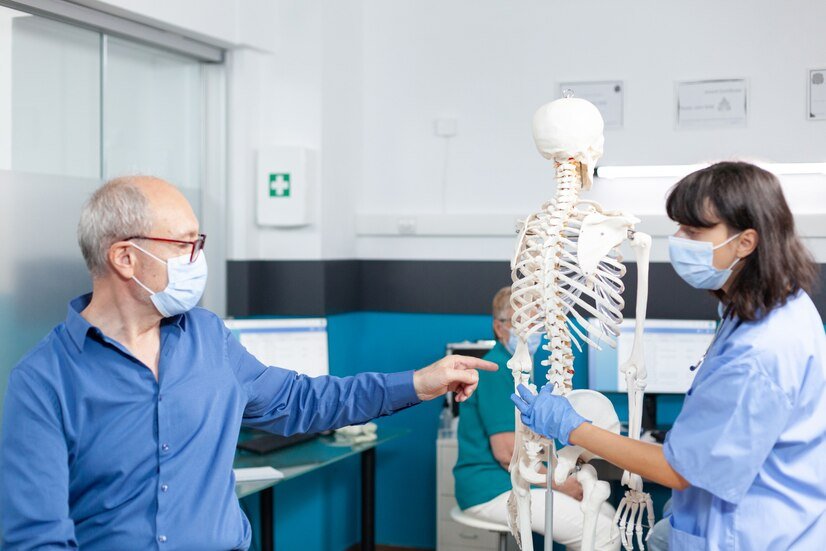
The Role of Vitamin D and Calcium in Bone Health

Maintaining strong and healthy bones is essential for overall well-being, and two of the most important nutrients for bone health are vitamin D and calcium. These nutrients play a crucial role in the development, maintenance, and repair of bones throughout our lives. A lack of either can lead to a variety of bone-related issues, including osteoporosis and fractures. In this blog post, we’ll explore the significance of vitamin D and calcium, how they work together, and the best ways to ensure you’re getting enough of both for optimal bone health.

Why Are Vitamin D and Calcium Important for Bones?

Calcium is a mineral that forms the building blocks of bones and teeth. About 99% of the calcium in your body is stored in your bones and teeth, providing them with structure and strength. The body also uses calcium for other essential functions, such as muscle contraction, blood clotting, and nerve signaling. If you’re not getting enough calcium from your diet, your body will pull it from your bones, which can lead to weakened bones over time.

Vitamin D, on the other hand, helps your body absorb calcium from the food you eat. Without enough vitamin D, your body cannot effectively absorb calcium, regardless of how much you consume. Vitamin D also plays a role in maintaining normal blood levels of calcium and phosphorus, which are critical for bone formation.

Together, vitamin D and calcium work to maintain the strength and density of your bones, ensuring that they remain resilient as you age.

The Role of Vitamin D in Bone Health

Vitamin D is often referred to as the “sunshine vitamin” because your body can produce it when your skin is exposed to sunlight. However, many people, particularly those who live in areas with limited sun exposure, may not get enough vitamin D from sunlight alone. This is where diet and supplements come into play.

Vitamin D is essential for bone health because it:

  • Enhances Calcium Absorption: Without adequate vitamin D, your intestines cannot effectively absorb calcium, even if your diet is rich in this mineral. This can result in a calcium deficiency and lead to bone thinning.
  • Promotes Bone Growth and Remodeling: In children and teenagers, vitamin D is critical for bone growth and development. In adults, it helps with bone remodeling, a process where old bone is replaced with new bone tissue.
  • Prevents Bone Disorders: A deficiency in vitamin D can lead to rickets in children, a condition characterized by weak or soft bones, and osteomalacia in adults, which results in bone pain and muscle weakness. Long-term deficiency is also linked to osteoporosis, a condition where bones become fragile and prone to fractures.

The Role of Calcium in Bone Health

Calcium is the primary mineral found in bones and is essential for their development and maintenance. The benefits of calcium for bone health include:

  • Building Strong Bones: Calcium is a key structural component of bones. During childhood and adolescence, calcium intake is crucial for building peak bone mass, which determines bone strength later in life.
  • Preventing Bone Loss: After the age of 30, bone mass naturally begins to decline. Adequate calcium intake can slow this process and help prevent conditions like osteoporosis, which makes bones brittle and more likely to fracture.
  • Regulating Bone Remodeling: Throughout life, your bones are continuously breaking down and rebuilding. Calcium helps to regulate this process, ensuring that bones remain dense and strong.

How Much Calcium and Vitamin D Do You Need?

The amount of calcium and vitamin D you need depends on your age, gender, and overall health. Here are general recommendations:

  • Calcium:
    • Children (4-8 years): 1,000 mg/day
    • Teenagers (9-18 years): 1,300 mg/day
    • Adults (19-50 years): 1,000 mg/day
    • Women (51+ years): 1,200 mg/day
    • Men (51-70 years): 1,000 mg/day; Men (71+ years): 1,200 mg/day
  • Vitamin D:
    • Children and Adults (up to 70 years): 600 IU/day
    • Adults (71+ years): 800 IU/day

Sources of Vitamin D and Calcium

Getting the right amount of calcium and vitamin D from your diet and lifestyle is essential for maintaining strong bones. Here are some of the best sources:

  • Calcium-Rich Foods:

    • Dairy products like milk, cheese, and yogurt
    • Leafy green vegetables such as spinach, kale, and broccoli
    • Fortified foods like orange juice, cereals, and plant-based milk
    • Fish such as sardines and salmon, which contain small, edible bones
    • Nuts and seeds, particularly almonds and chia seeds
  • Vitamin D-Rich Foods:

    • Fatty fish such as salmon, mackerel, and tuna
    • Egg yolks
    • Fortified foods such as milk, orange juice, and cereals
    • Cod liver oil
    • Mushrooms exposed to sunlight

Additionally, spending time in the sun for about 10-30 minutes several times a week can help your body produce enough vitamin D. However, for those living in areas with limited sun exposure or during winter months, supplements may be necessary.

Maintaining strong bones throughout your life requires a combination of proper nutrition, physical activity, and, if necessary, supplements. Adequate intake of calcium and vitamin D is essential for building and maintaining bone density, reducing the risk of fractures, and preventing conditions like osteoporosis. Be sure to include calcium-rich and vitamin D-rich foods in your diet and consult your doctor if you think you may need supplements.

To safeguard your bone health, make sure you are getting the right amount of these vital nutrients—your bones will thank you for it!

How Age Affects Bone Health

As we age, our bodies undergo a range of physical changes, and one of the most significant areas impacted by aging is our bone health. The bones that support our structure and protect vital organs start to lose density, become more brittle, and are prone to conditions like osteoporosis and arthritis. This makes seniors more susceptible to fractures, joint pain, and other orthopaedic issues. Understanding how age affects bone health is crucial for preventing complications and maintaining mobility and independence as we grow older.

Why Bone Health Declines with Age

Bone is living tissue that constantly undergoes a process of breaking down and regenerating. During youth and early adulthood, the body efficiently replaces old bone with new, but as we age, this process slows down. Starting around the age of 30, bone mass begins to decrease, with the rate of loss accelerating in post-menopausal women due to a drop in estrogen levels. For men, bone loss typically occurs later in life but follows a similar pattern.

Common Orthopaedic Concerns in Seniors

  1. Osteoporosis
    Osteoporosis is one of the most common age-related bone conditions. It occurs when bones become porous and weak due to loss of density, increasing the risk of fractures, particularly in the hips, spine, and wrists. In many cases, osteoporosis progresses silently until a fracture occurs, which is why it’s often referred to as the “silent disease.”
    Prevention and Treatment: Adequate calcium and vitamin D intake, along with weight-bearing exercises, can help prevent bone loss. Medications that slow bone loss or promote bone growth are also available.

  2. Arthritis
    Osteoarthritis, the most common form of arthritis, occurs when the protective cartilage that cushions the joints wears down over time. This leads to joint pain, stiffness, and reduced mobility, particularly in the knees, hips, and hands. The risk of developing arthritis increases with age, and it can significantly impact quality of life.
    Management: While there is no cure for osteoarthritis, treatments like physical therapy, anti-inflammatory medications, and, in severe cases, joint replacement surgery can alleviate symptoms and improve mobility.

  3. Fractures
    As bones weaken with age, the likelihood of fractures increases, even from minor falls. Hip fractures, in particular, are a major concern in older adults and can lead to prolonged disability, complications, and a reduced ability to live independently.
    Prevention: Fall prevention strategies, including maintaining balance through exercise, using assistive devices, and ensuring a safe home environment, are essential for reducing fracture risk.

  4. Spinal Changes
    Age-related changes in the spine, such as disc degeneration and vertebral compression fractures, can lead to conditions like spinal stenosis, where the spaces within the spine narrow, putting pressure on the nerves. This can cause back pain, numbness, and weakness, especially in the legs.
    Treatment: Treatment options include physical therapy, medications, and, in some cases, surgery to relieve nerve compression and improve function.

Maintaining Bone Health in Seniors

While some bone loss with age is inevitable, there are steps seniors can take to maintain bone health and reduce the risk of orthopaedic complications:

  • Exercise Regularly: Weight-bearing exercises, such as walking, jogging, or strength training, help maintain bone density and improve muscle strength, which reduces the risk of falls.
  • Healthy Diet: Ensure adequate intake of calcium and vitamin D, either through food sources like dairy, leafy greens, and fortified foods, or through supplements.
  • Avoid Smoking and Limit Alcohol: Smoking and excessive alcohol consumption can weaken bones and contribute to bone loss.
  • Regular Checkups: Bone density tests can help detect osteoporosis early, allowing for timely treatment. Regular orthopaedic evaluations can also identify joint issues before they worsen.

When to See an Orthopaedic Specialist

If you or a loved one is experiencing persistent joint pain, difficulty moving, or frequent falls, it’s essential to consult an orthopaedic specialist. Early intervention can prevent conditions from worsening and improve overall quality of life. Whether it’s arthritis management, fracture prevention, or post-injury rehabilitation, seeking professional care ensures you stay active and mobile as you age.

Conclusion

Aging affects bone health in many ways, from decreasing bone density to joint wear and tear. While age-related changes are inevitable, they don’t have to limit your lifestyle. By taking preventive measures and seeking appropriate orthopaedic care, seniors can maintain strong bones, reduce pain, and enjoy an active, fulfilling life. If you’re concerned about your bone health, contact a specialist today to discuss your options for treatment and prevention.

Trauma
Spine
Sports Medicine
Joint replacement
Hand surgery
Musculoskeletal Oncology
Paediatric Orthopaedics
Preventive Orthopaedics
Ortho biologics and Regenerative medicine
Physiotherapy and Rehab
Trauma
Spine
Sports Medicine
Joint replacement
Hand surgery
Musculoskeletal Oncology
Paediatric Orthopaedics
Preventive Orthopaedics
Ortho biologics and Regenerative medicine
Physiotherapy and Rehab
Call Now