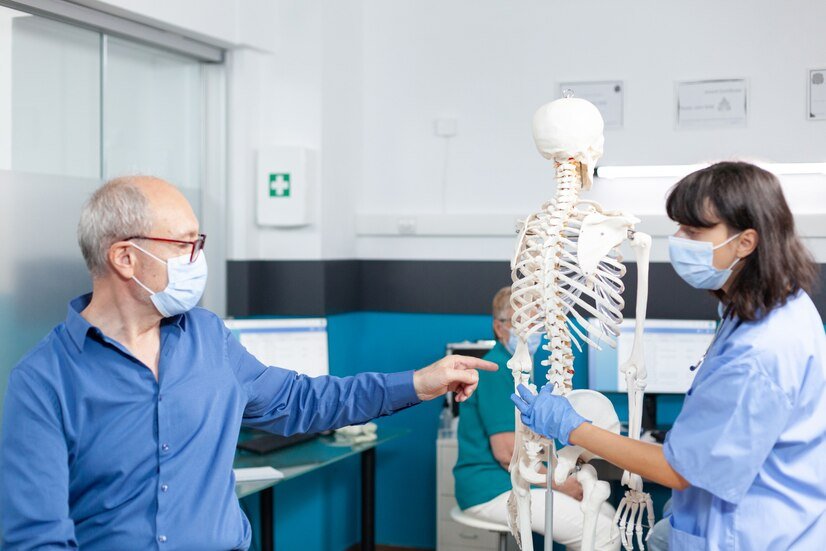
As we age, our bodies undergo a range of physical changes, and one of the most significant areas impacted by aging is our bone health. The bones that support our structure and protect vital organs start to lose density, become more brittle, and are prone to conditions like osteoporosis and arthritis. This makes seniors more susceptible to fractures, joint pain, and other orthopaedic issues. Understanding how age affects bone health is crucial for preventing complications and maintaining mobility and independence as we grow older.
Why Bone Health Declines with Age
Bone is living tissue that constantly undergoes a process of breaking down and regenerating. During youth and early adulthood, the body efficiently replaces old bone with new, but as we age, this process slows down. Starting around the age of 30, bone mass begins to decrease, with the rate of loss accelerating in post-menopausal women due to a drop in estrogen levels. For men, bone loss typically occurs later in life but follows a similar pattern.
Common Orthopaedic Concerns in Seniors
Osteoporosis
Osteoporosis is one of the most common age-related bone conditions. It occurs when bones become porous and weak due to loss of density, increasing the risk of fractures, particularly in the hips, spine, and wrists. In many cases, osteoporosis progresses silently until a fracture occurs, which is why it’s often referred to as the “silent disease.”
Prevention and Treatment: Adequate calcium and vitamin D intake, along with weight-bearing exercises, can help prevent bone loss. Medications that slow bone loss or promote bone growth are also available.Arthritis
Osteoarthritis, the most common form of arthritis, occurs when the protective cartilage that cushions the joints wears down over time. This leads to joint pain, stiffness, and reduced mobility, particularly in the knees, hips, and hands. The risk of developing arthritis increases with age, and it can significantly impact quality of life.
Management: While there is no cure for osteoarthritis, treatments like physical therapy, anti-inflammatory medications, and, in severe cases, joint replacement surgery can alleviate symptoms and improve mobility.Fractures
As bones weaken with age, the likelihood of fractures increases, even from minor falls. Hip fractures, in particular, are a major concern in older adults and can lead to prolonged disability, complications, and a reduced ability to live independently.
Prevention: Fall prevention strategies, including maintaining balance through exercise, using assistive devices, and ensuring a safe home environment, are essential for reducing fracture risk.Spinal Changes
Age-related changes in the spine, such as disc degeneration and vertebral compression fractures, can lead to conditions like spinal stenosis, where the spaces within the spine narrow, putting pressure on the nerves. This can cause back pain, numbness, and weakness, especially in the legs.
Treatment: Treatment options include physical therapy, medications, and, in some cases, surgery to relieve nerve compression and improve function.
Maintaining Bone Health in Seniors
While some bone loss with age is inevitable, there are steps seniors can take to maintain bone health and reduce the risk of orthopaedic complications:
- Exercise Regularly: Weight-bearing exercises, such as walking, jogging, or strength training, help maintain bone density and improve muscle strength, which reduces the risk of falls.
- Healthy Diet: Ensure adequate intake of calcium and vitamin D, either through food sources like dairy, leafy greens, and fortified foods, or through supplements.
- Avoid Smoking and Limit Alcohol: Smoking and excessive alcohol consumption can weaken bones and contribute to bone loss.
- Regular Checkups: Bone density tests can help detect osteoporosis early, allowing for timely treatment. Regular orthopaedic evaluations can also identify joint issues before they worsen.
When to See an Orthopaedic Specialist
If you or a loved one is experiencing persistent joint pain, difficulty moving, or frequent falls, it’s essential to consult an orthopaedic specialist. Early intervention can prevent conditions from worsening and improve overall quality of life. Whether it’s arthritis management, fracture prevention, or post-injury rehabilitation, seeking professional care ensures you stay active and mobile as you age.
Conclusion
Aging affects bone health in many ways, from decreasing bone density to joint wear and tear. While age-related changes are inevitable, they don’t have to limit your lifestyle. By taking preventive measures and seeking appropriate orthopaedic care, seniors can maintain strong bones, reduce pain, and enjoy an active, fulfilling life. If you’re concerned about your bone health, contact a specialist today to discuss your options for treatment and prevention.


